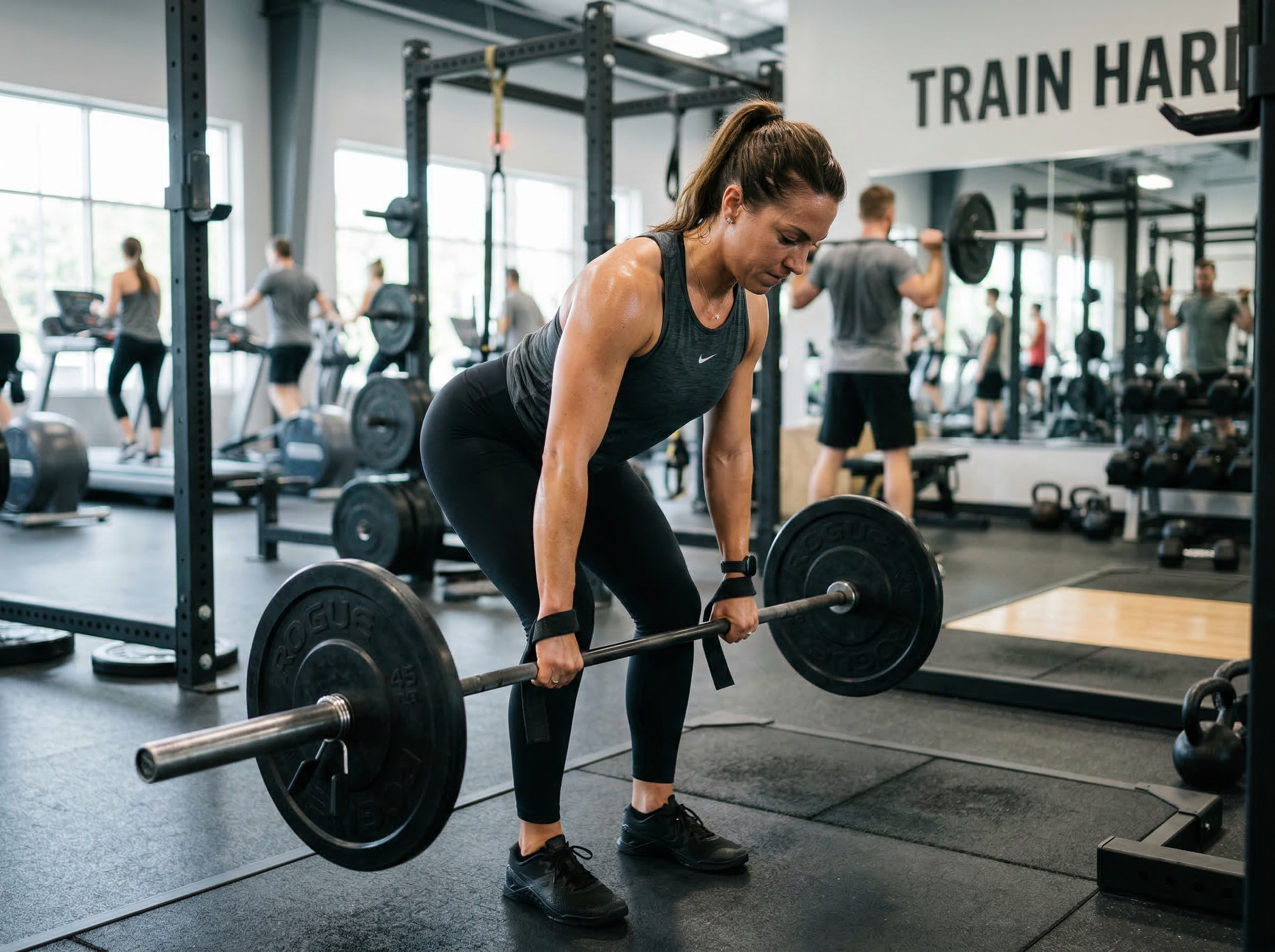
Strength Training: The Foundation of Health at Every Stage of Life
Strength training is often misunderstood. Many people associate it with bodybuilding or aesthetics, but its true value runs much deeper. It is one of the most important practices for maintaining long-term health, preserving independence, and improving quality of life—whether you are in your 30s, 50s, or beyond.
If there is one form of exercise that delivers consistent, measurable benefits across every stage of life, it is strength training.
Why Strength Matters More Than You Think
As the body ages, it naturally begins to lose muscle mass. This process, known as sarcopenia, can begin as early as your 30s and accelerates over time if left unaddressed.
Loss of muscle is not just about strength. It directly impacts:
- Metabolism
- Balance and coordination
- Joint stability
- Bone density
- Daily functionality
Without intervention, simple tasks—standing up, carrying groceries, climbing stairs—become more difficult over time.
Strength training reverses this trajectory.
The Physical Benefits
1. Preserving Muscle and Preventing Decline
Strength training helps maintain and build lean muscle, which is essential for staying active and capable.
This means:
- Better mobility
- Greater endurance in daily activities
- Reduced risk of physical limitations later in life
Muscle is not just for movement—it is a key marker of overall health.
2. Supporting Bone Density
Bone health becomes a major concern with age, especially for those at risk of osteoporosis.
Resistance training places controlled stress on bones, signaling the body to strengthen them.
Over time, this can:
- Increase bone density
- Reduce the risk of fractures
- Support long-term skeletal health
This is one of the most effective, natural ways to protect your body as you age.
3. Improving Metabolic Health
Muscle tissue plays a major role in how your body processes energy.
Strength training helps:
- Improve insulin sensitivity
- Regulate blood sugar levels
- Increase resting metabolic rate
More muscle means your body becomes more efficient—even at rest.
4. Joint Protection and Injury Prevention
Strong muscles stabilize joints.
This reduces strain on areas like:
- Knees
- Hips
- Lower back
- Shoulders
When muscles are weak, joints take on more stress, leading to pain and injury. Strength training builds a protective system around your body.
The Mental and Emotional Benefits
5. Confidence and Control
There is something direct and measurable about strength training.
You lift more. You move better. You feel stronger.
This builds:
- Confidence
- Discipline
- A sense of control over your body
Progress is visible and tangible, which reinforces consistency.
6. Cognitive and Emotional Health
Strength training has been shown to:
- Reduce symptoms of anxiety and depression
- Improve focus and mental clarity
- Support better sleep
It creates structure and routine, both of which are essential for mental stability.
Strength Training Is Not Just for the Young
One of the biggest misconceptions is that it is “too late” to start.
It is not.
Research consistently shows that people who begin strength training later in life still gain:
- Muscle mass
- Strength
- Mobility
- Improved health markers
In many cases, these improvements are significant enough to restore independence and reduce reliance on others.
How to Start (Without Overcomplicating It)
You do not need a complex program.
Start with the basics:
- Bodyweight movements (squats, push-ups, lunges)
- Resistance bands
- Light dumbbells
Focus on:
- Proper form
- Controlled movement
- Consistency (2–3 times per week)
Progress gradually. Strength is built over time, not in a single session.
Common Mistakes to Avoid
- Doing too much too soon: leads to injury and burnout
- Ignoring form: poor technique limits results and increases risk
- Avoiding resistance altogether: walking is good, but it is not enough on its own
- Inconsistency: results come from repetition over weeks and months
The Bigger Picture
Strength training is not about appearance. It is about capability.
It allows you to:
- Move with confidence
- Maintain independence
- Reduce the risk of chronic conditions
- Stay active in the life you want to live
As the years pass, strength becomes less optional and more essential.
A Simple Truth
You do not lose strength because you age.
You lose strength because you stop using it.
The body responds to demand. Give it a reason to stay strong, and it will.

Related Posts